






news

Private, In-Town Location – 2631 Chelsea Ln, Santa Fe, NM

Wednesday, May 29th, 2013


Built in 2001, this beautiful adobe home was handcrafted with all the artful expressions indicative of our beloved Southwest architecture. Gorgeous tumbled brick floors accent the beautifully finished public rooms in this 2,164 square foot home. It has all the details desired by so many of today’s buyers: a single level, open floor plan, radiant heat, Pella windows, skylights, three bedrooms, two bathrooms and a fully finished and heated attached garage with an insulated door. Plaster walls, nichos, granite countertops, unique bathroom vanities, a newer 5-burner range with convection oven, and custom cabinets and doors round out the list of amenities. The home is well-screened both from sight and from road noise. A gracious outdoor portal continues the living space into the lovingly landscaped garden. This is a rare find in a fabulous, central location and is sure to sell quickly.


Las Campanas Jewel – 39 Calle Mi Gusto

Wednesday, May 29th, 2013


Exceptional living awaits you in the coveted Park Estates of Las Campanas. This elegant home boasts breathtaking views, smart design and exquisite appointments. Versatile living spaces compliment the open floor plan and include both a media room/den and a 4th bedroom or study. The gracious master suite has a kiva fireplace for those cool nights and opens directly to the outdoor portal with its own fireplace. The spa-like master bath has a large soaking tub, a two person shower and two vanities. The gourmet kitchen with breakfast nook and bar seating is equipped with top of the line appliances including a built-in coffee center and wine refrigerator. Public rooms flow perfectly to indoor and outdoor spaces for gracious entertaining.


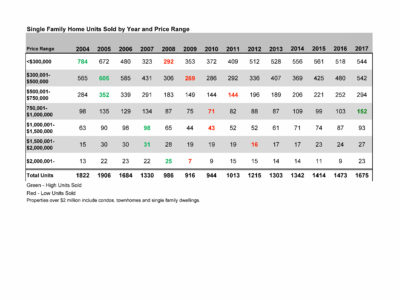
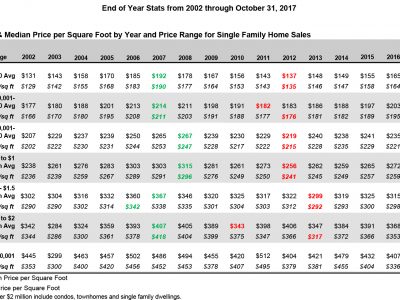
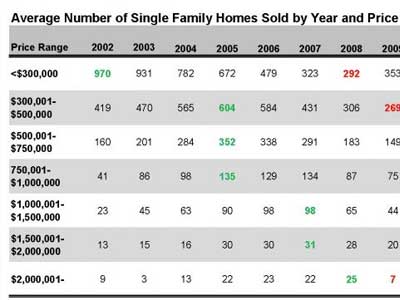
State of the Market 2002-2012

Wednesday, March 13th, 2013

Click here to access MLS areas for Santa Fe


7 Things To Do You Want to Buy or Sell in 2013

Tuesday, January 29th, 2013

True Confession: I set a handful of New Year’s Resolutions every single year. Why? They work for me – I’ve got probably a 75 percent success rate. Some of this is in the science of setting the Resolution the right way in the first place, including the preparation.

Here’s my secret: I always get started in December. I like to use my holiday down-time to plan things out, gather up the resources or do the research I need, figure out what my challenges are likely to be and make a plan to deactivate them, set appointments with any professional I need to get on board to make my goals happen and even get some momentum built up with my new eating program, workout plan, financial goals or career endeavors.

I aim to be like that old Marines commercial – by January 1, I’ve already done more than most Resolution-setters do all year!

And I’d like to help you do the same. Let’s boost the chances that your home buying or selling goals for 2013 will be successful by devoting a little time in December to getting things lined up and in motion. Here is my short list of tasks I would put on my December to-do list if I wanted to buy or sell a home next year:

1. Handle your credit horrors. Maybe you don’t have any credit horrors – kudos to you! But let’s get real, this year will be a year in which many post-foreclosure, post-bankruptcy, post-layoff Americans will find themselves sufficiently recovered, post-recession, to get back into the real estate market and buy a home. If you count yourself among the number of 2013 wanna-be buyers who experienced a financial glitch of any degree during the recession, December is the right time to start pulling your credit reports and doing a damage assessement and control campaign.

Visit AnnualCreditReport.com (the only website through which you can access your government-mandated free reports) and order your own credit reports from all three reporting bureaus.
Review them all, line-by-line, checking for errors and discrepancies. It is extremely common for paid-off accounts to still be reporting as delinquent, for foreclosed mortgages to still be listed as open and past-due and for bills that were settled in collection to be reported as behind. Follow the instructions to dispute any such errors you see.
When you talk with your mortgage broker (see #4), go over the reports with them again, getting a read on precisely when your foreclosure, bankruptcy, delinquencies, gaps in employment or other credit woes will be sufficiently “seasoned” (i.e., long ago) to allow you to qualify for another loan, and get their advice on any action items, like paying a particular debt or set of credit cards down to $X amount will be important for you to complete before you try for a legitimate pre-approval next year.

In fact, this last point applies to everyone – whether or not you think you have any dings on your credit report. It’s essential to get clear on any of the work you’ll need to do to optimize your credit standing now, as the payoffs, disputes and other credit work that can move the needle on your score may take some time.

2. Purge. It’s time. Time to get rid of all that things you know qualify as clutter – all of the stuff you know buyers won’t want to see when they tour your home, and all the stuff that you won’t want to move to your next place. If you donate your junk before the end of the year, you might be able to get a receipt and deduction for the taxes you file in 2013. And tax break or not, getting all that stuff out of your attic, your closets, your shelves and your rooms will clear up loads of mental space and energy, minimize some of the overwhelm latent in the prospect of moving – and might even surface a few things you can sell to boost your down payment savings or your home staging budget.

Clutter clearing gets overwhelming when you simply lack the time, in the face of everyday urgencies, to invest a few hours or days to go deep, pull out all the minutae and memory-laden How better to spend those wintry days between Christmas and New Year’s than to clear out the clutter in your home – and your mind?

3. Plan your prep. If you’re thinking of selling your home in 2013, now is a great time to start organizing your list (or spreadsheet, or Evernote file) of home preparation tasks that need to get done before you put the place on the market. Things like painting, carpeting, landscaping and other preparation tasks can be less taxing and less disruptive to your life if you have plenty of time to collect bids, sock away the cash to cover the costs and arrange projects at your family’s convenience or during off-seasons, when contractors might be wiling to charge a bit less.

Talk with your agent before you put a plan in place; they can help you make good decisions which projects to do (and which to forego), as well as choosing finish materials and colors that will appeal to the broadest segment of buyers – to boot, they often can refer you to the most cost-effective contractors in your area for these sorts of pre-listing projects.

3. Save. More. There’s no such thing as saving too much cash up for your down payment. If you have a home to sell, you have no idea how much you’ll take away from that transaction until it closes. And even if you’re currently renting, having maximum savings set aside allows you maximum flexibility in terms of selecting homes, competing with other buyers, covering closing costs (which can run as high as 3-4% on average for an FHA loan) and even handling post-closing repairs, appliances and property personalization.

4. Collect your gift money. Buyers who get gift money from a relative to apply toward their down payments are often subject to seemingly strange and definitely invasive documentation requirements – the most onerous of which is to produce copies of the gift GIVER’s bank accounts proving the source of the funds. If you know Mom, Dad, Granny or Aunt Bernie is going to chip in some cash toward your down payment in the Spring, consider asking them to go ahead and give it to you now, so you can put it in your own accounts and begin “seasoning” it as yours, which will help you avoid all those documentation demands.

Your benefactor should check with their financial and tax advisors to be sure the gift is structured so as to avoid any tax implications, before they give it.

5. Connect with an agent and a mortgage broker – stat. Don’t wait until the month before you want to buy or sell to ring up your trusty agent and initiate the conversation. Ask around for referrals or find an agent here on Trulia Voices now, get a mortgage broker (or 3) on the phone, and ask them to help brief you long-lead topics like:

Whether your market is a buyer’s market or seller’s market, and how that translates into what you can and should expect when you plan to buy or sell next year
Whether there are any area-specific timing issues you should factor in as you map out your timeline
What – given the specifics of your financials, your savings, any past credit or other issues you have – you should be doing now in terms of paying bills down, settting savings targets, and such
What changes, if any, you should plan on making to your property before listing it
What sort of property you can get for your money in the areas you’re targeting as a buyer, and what kind of money you can expect to command for your property in your local market (this, obviously, will change over time – even over the few months or so between now and the time you list your home, but it still helps to have a general ides of the current market values).

6. Go Open House hunting. If you’re selling next year, it’s essential to get a real-life read on what the competition’s like, everything from what sorts of houses in your area are listed at various price points to what your target buyers are going to be seeing on their way into or out of your house. There’s no reality check on your own home’s preparation and staging – its overall readiness for listing – like putting on a buyer’s shoes and taking a tour through similar homes in your area. And there’s no time for this reality check like right now: when Open Houses are still a-plenty, you have more time to attend them, and you still have plenty of time to process your takeaways and incorporate them into your own property preparations.

Open House hunting is also helpful for those who have home buying on their 2013 to-do lists. It’s the only way you can start understanding how to decipher the listings you see online into a reality-based set of expectations about a property. It’s also the best way to get indoctrinated deeply into the realities of what you get on your local market at various price points, and it’s the most impactful strategy for starting the process of negotiating compromises with your co-buyers.

7. Think hard about your deductions, if you’re self-employed. In the wake of the recession, most mortgage guidelines for self-employed borrowers changed, so that your income for purposes of qualifying is assumed to be the average of your last two years’ Adjusted Gross Income, as reported on your federal income tax returns. That means lenders calculate your income after all your business-related and other deductions, not before.

So, yes, this does mean that maximizing your deductions may impact your ability to qualify for a home loan in 2013. But them’s the breaks – better to know this before you file your tax return, in the event it might change something about how you file. Loop your tax advisor, business bookkeeper and mortgage broker into your decision-making process about your 2012 taxes before filing, if you’re self-employed and plan to buy or refinance your home next year.

10 cities with the highest rent spikes in 2012

Sunday, January 27th, 2013

Home prices might still be recovering, but the price of rentals has skyrocketed in these cities.

Houston, TX
Year-over-year rise: 16.8%
Vacancy rate: 3%
Median monthly rent: $1,270.50
They say all things are bigger in Texas. And now Texans can include what they pay for rentals.

Oakland, CA
Year-over-year rise: 11.6%
Vacancy rate: 1.7%
Median monthly rent: $2,017.50
Oakland saw rents surge, partly fueled by renters priced out of San Francisco, which is still booming with tech talent.

Miami, FL
Year-over-year rise: 10.8%
Vacancy rate: 4%
Median monthly rent: $1,900
The Sunshine State suffered more than the rest of the country during bust of the housing market. Record foreclosures and a weak economy have left many unable to qualify for a decent mortgage, making renting the next best option.

Denver, CO
Year-over-year rise: 9%
Vacancy rate: 2.4%
Median monthly rent: $1,244
In a city where construction of apartments hasn’t kept up with demand, rents surged more here than in most U.S. cities.

Philadelphia, PA
Year-over-year rise: 8.9%
Vacancy rate: 2.7%
Median monthly rent: $1,467
The City of Brotherly Love isn’t as kind to renters these days, where prices climbed more than its bigger neighbor, New York City.

Seattle, WA
Year-over-year rise: 8.3%
Vacancy rate: 2.4%
Median monthly rent: $1,439
The Seattle area is home to big corporate headquarters like Microsoft and Amazon, which have helped its economy stay strong. Rents have surged as the supply of properties remains tight.

Minneapolis-St.Paul, MN
Year-over-year rise: 7.8%
Vacancy rate: 2.2%
Median monthly rent: $1,272.50
It seems builders aren’t building apartments fast enough in the Twin Cities. Rents have risen rapidly, even as construction of new apartments grows.

Chicago, IL
Year-over-year rise: 6.9%
Vacancy rate: 4.1%
Median monthly rent: $1,586.50
The windy city has seen rents rise rapidly as builders try to build enough apartments to keep up with demand.

New York, NY-NJ
Year-over-year rise: 6.6%
Vacancy rate: 1.6%
Median monthly rent: $3,050
It’s by far cheaper to rent than buy in Manhattan, but you can still expect to pay a lot to your landlord.

San Francisco
Year-over-year rise: 5.8%
Vacancy rate: 1.7%
Median monthly rent: $2,647.25
Silicon Valley’s tech boom and hiring frenzy of engineers and developers have helped rents soar.

5 Types Of Buyers Will Be Rushing Into The Housing Market In 2013

Friday, January 25th, 2013

With the housing market bottoming in 2012, economists and other experts are becoming increasingly optimistic about the U.S. housing market in 2013.

From John Burns Real Estate Consulting: “Assuming our leaders in DC come to some sort of agreement that keeps the economy growing and interest rates low, which seems like the most reasonable assumption, here is what will happen,”

  • Investors: Investors and, yes, even flippers will continue to grow in numbers as they realize housing is the best risk-adjusted return on their money.
  • Boomerang buyers: Foreclosed homeowners, who are currently renting homes, will come back in droves. In Phoenix, they are paying $1,300 in rent for a home whose mortgage payment would be $1,000. That situation is not sustainable. The Federal Housing Administration and Department of Veterans Affairs have low down payment programs with insurance premiums that push rates near 5.0%. Those payments are still very affordable.
  • Entry-level buyers: First-time homeowners, who have been sitting on the sidelines waiting for a sign of the bottom, will hear about price increases in their desired neighborhood and rush to become homeowners.
  • Move-down buyers: Empty nesters and retirees, who have plenty of equity in their existing home, will buy a home that is more suitable to their current lifestyle, which may or may not include adult children as well as their aging parents.
  • Moveup buyers: The price appreciation that occurred in the last year has already lifted 1 million underwater homeowners above water with future price appreciation to lift them even more.

All good signs.

J.P. Morgan Says in 2013 Home Prices Could Jump 9.7%

Wednesday, January 23rd, 2013

Home-price forecasts for 2013 are on the rise.

J.P. Morgan Chase & Co. expects U.S. home prices to rise 3.4% in its base-case estimate and up to 9.7% in its most bullish scenario of economic growth. Standard & Poor’s, which rates private-issue mortgage bonds, on Friday said it expects a 5% rise in 2013.

The J.P. Morgan analysts boosted their base-case estimate from 1.5% after a convincing rise in the “net demand” for housing this year has surpassed 2 million homes for the first time since 2006, said John Sim, a strategist at the investment bank. Net demand is the pace of existing home sales minus the inventory of homes available for sale.

“Net demand has picked up a lot in 2012,” said Mr. Sim. “Once you get north of the 2 million territory, you are in the positive growth area unless you get a lot of distressed inventory, which this year hit a low point” since at least 2008, he added. J.P. Morgan predicts that net demand to rise from 2.7 million next year from 2.3 million this year.

An expected increase in home prices in 2012 triggered a run into some of the riskiest real estate assets, such as subprime mortgage-backed securities from the real estate boom, and analysts including Mr. Sim expect that trend to continue. Rising home prices and the quest for yield has also given a tailwind to new mortgage bond issuance that has been mired in the fallout of the housing crisis and regulatory uncertainty for the past four years.

U.S. home prices nationwide increased on a year-over-year basis by 6.3% in October, the biggest increase since June 2006, according to CoreLogic. Investors zoning in on the increases bought subprime mortgage bonds, which have posted returns of more than 40% since December.

Home price increases could exceed J.P. Morgan’s base forecast if investors seeking yield push deeper into real estate, according to Mr. Sim’s home price report.

That may already be happening, considering recent comments by Luke Scolastico, a vice president at Credit Suisse, one of two issuers of mortgage bonds without government backing since the financial crisis. Credit Suisse is increasing its purchases of jumbo loans to meet demand for securities it sees from investors, he said on an American Securitization Forum panel this week.

“We’re buying loans, every day…and (on the month,) more than the month before,” Mr. Scolastico said. Part of the reason is because of home price appreciation, but also because of the “technical demand” for relatively higher yielding assets as Federal Reserve policies depress interest rates, he said.

New mortgage bond sales from other issuers, including investment banks, could boost issuance of private label bonds this year as high as $30 billion, Mr. Sim said. That’s up from almost $5 billion this year but paltry compared with annual volume above $1 trillion generated as the housing bubble neared its breaking point in 2006.

Mortgage bonds issued by Fannie Mae, Freddie Mac and Ginnie Mae still fund more than 90% of new home loans. Bank portfolios and other private lending make up the rest.

Considering risks, J.P. Morgan analysts conceded that the economy is “gloomy” and tight lending standards can stop a bullish homebuyer from proceeding with a purchase. On the supply side, the “shadow inventory” of more than four million homes near or stuck in foreclosure still looms, though that is dropping, the analysts said.

What’s more, just the uncertainty over whether politicians will be able to steer clear of the “fiscal cliff,” the scheduled tax increases and spending cuts next month, may hurt investor confidence, the J.P. Morgan analysts said.

If taxes rise, reduced income for the potential homebuyers will damp housing demand, they added.

But the expectations for higher home prices are still widespread. Nearly three-quarters of investors polled by J.P. Morgan expect home prices to rise 5% in 2013.

Biggest Annual Jump in Two Years on Home prices

Monday, January 21st, 2013

The recovery in the housing market continues to pick up steam, as home prices posted the biggest percentage gain in more than two years in the latest reading of the closely followed S&P/Case-Shiller index.

The index showed prices up 4.3% in October compared to a year earlier. That’s the best improvement since May 2010. But that earlier increase was due to a temporary spike caused by a homebuyers’ tax credit of up to $8,000 on homes purchased in late 2009 and early 2010.

This latest rise comes as the housing market has shown numerous other signs of recovery in recent months. A combination of near record-low mortgage rates, lower unemployment and a drop in foreclosures to a five-year low means there are more buyers interested in purchasing fewer available homes. That in turn has lifted prices.

October marked the fifth straight month that the index has been up on a year-over-year basis.

The improvement in housing market fundamentals has helped to lift the pace of both home sales and home building. But even with the latest rise in prices, the index is still down 29% from the peak reached in June 2006.

The continued rebound in prices likely will be another positive for both purchases and construction in the year ahead. Higher prices give current homeowners a better chance to sell their home and get the down payment they need on their next home purchase. They also encourage buyers who may have been on the sidelines because of uncertainty about home prices’ direction that now is the time to buy.

Of course, home builders benefit from higher prices and increased demand. Leading home builders such as PulteGroup (PHA), Lennar (LEN), KB Home (KBH), D.R. Horton, Inc. (DHI) and Toll Brothers (TOL) have all enjoyed better than a 50% rise in their stock price over the last 12 months, with PulteGroup’s stock nearly tripling in value.

The increases in home values were widespread in this latest reading, with only two of the 20 cities tracked by index showing modest price declines from a year earlier. Prices were down a little more than 1% in Chicago and New York.

The biggest rise was in Phoenix, one of the cities hardest hit when the housing bubble burst. Prices in Phoenix were 21.7% higher than in October 2011.

Foothills Estate – 2300 Wilderness Ridge

Friday, December 14th, 2012


Art and architecture meet in this unique double adobe masterpiece located in the foothills of Santa Fe. The main house with 6700 square feet encompasses a sumptuous entry hall, elegant living and dining, chef’s kitchen, luxurious master suite, a family room, an office/study and a separate guest wing with two guest suites and a large bonus room. The property also includes a charming 500 sq. ft. guesthouse nestled in the trees. Surrounding the property are terraces and patios showcasing the spectacular panoramic views overlooking Santa Fe and the Jemez Mountains beyond. This is unique opportunity to own a one-of-a-kind, never to be duplicated home of classic design, modern luxury and enduring southwest style by legendary artist/architect Bill Lumpkins.


Beating expectations, pending home sales are on the rise

Wednesday, December 12th, 2012

Contracts to buy previously owned U.S. homes rose more than expected in October, a sign the housing market recovery advanced into the fourth quarter despite a mammoth storm and concerns over looming tax hikes.

The National Association of Realtors said on Thursday its Pending Home Sales Index, based on contracts signed in October, gained 5.2 percent to 104.8.

Economists polled by Reuters had expected signed contracts, which usually become sales after a month or two, to rise 0.8 percent last month.

The housing market is steadily healing after collapsing in 2006, supported by modest job gains, increased job security and record low mortgage rates. The broader economy has been constrained by concerns the government’s plans to slash the budget deficit next year could trigger a recession. This has hit business confidence, although consumer sentiment has nevertheless improved since the summer.

“We’ve had very good housing affordability conditions for quite some time, but we’re seeing more impact now from steady job creation,” said NAR chief economist Lawrence Yun.

Yun said the data showed some impact from superstorm Sandy, a deadly storm that slammed into the U.S. East Coast in late October.